Commercial Concrete Foundations: Complete Engineering Guide for Fort Worth
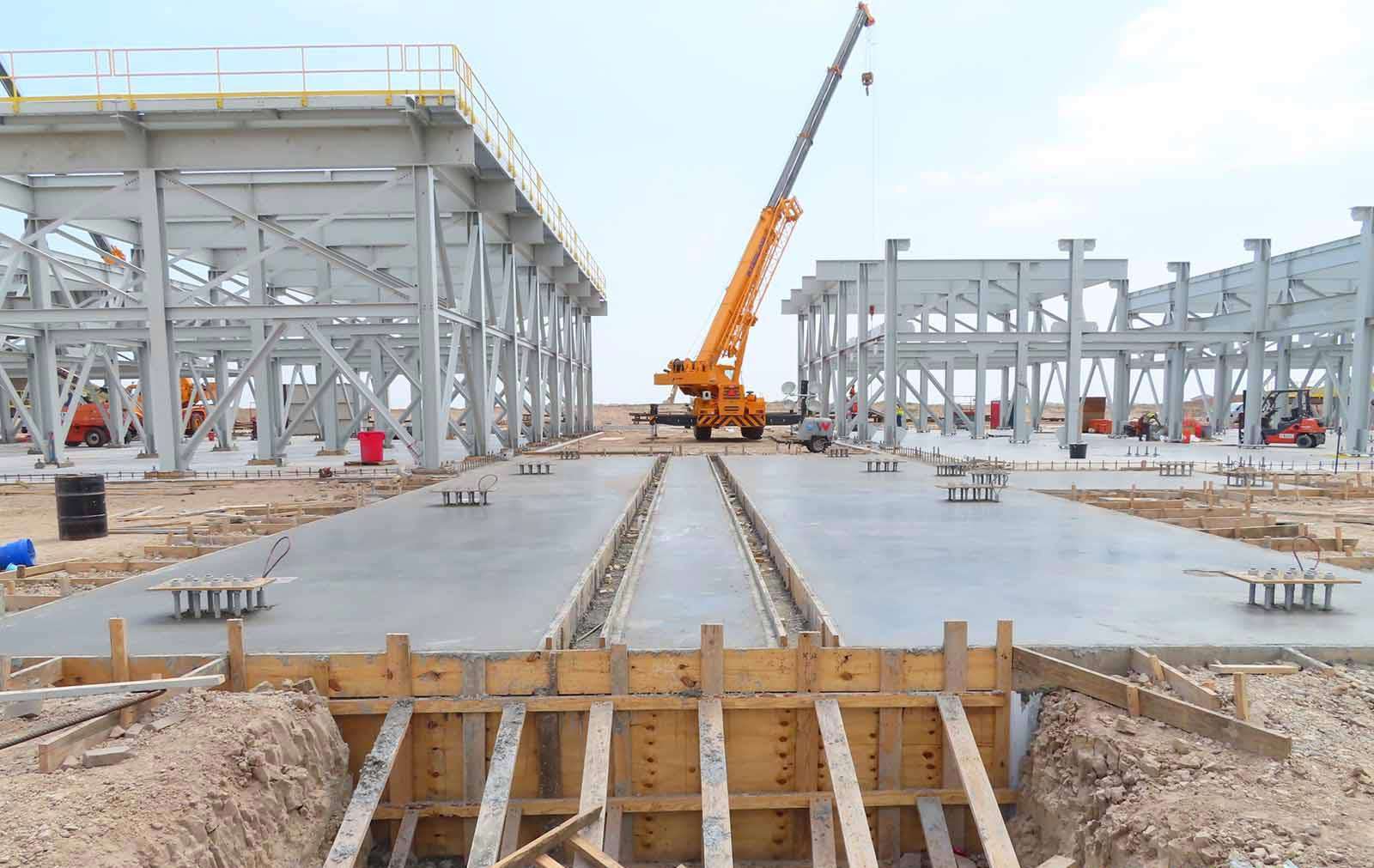
Commercial concrete foundations represent the most critical investment in any business construction project. Unlike residential foundations where aesthetics often take precedence, commercial foundations prioritize structural integrity, load-bearing capacity, and long-term performance under heavy use. In Fort Worth's competitive business environment, a properly engineered commercial foundation can mean the difference between operational success and costly failures.
This comprehensive guide covers everything business owners need to know about commercial concrete foundations in North Texas, from initial engineering assessments through final inspections. We'll explore the unique challenges of Fort Worth's soil conditions, regulatory requirements, and real-world case studies that demonstrate proper foundation design principles.
The Critical Role of Geotechnical Engineering
Soil Analysis: Foundation of Success
Every commercial foundation project in Fort Worth begins with comprehensive geotechnical investigation. Our region's Blackland Prairie soil consists of highly expansive clay that can swell up to 10% when wet and shrink dramatically when dry. This movement creates tremendous stress on concrete foundations.
Essential Soil Tests Include:
- Standard Penetration Tests (SPT): Measure soil density and bearing capacity
- Atterberg Limits: Determine soil plasticity and swelling potential
- Moisture Content Analysis: Assess current and potential moisture conditions
- Plate Load Tests: Evaluate actual soil bearing capacity under load
- Groundwater Assessment: Identify water table levels and drainage requirements
Understanding Soil Bearing Capacity
Fort Worth soil bearing capacities vary significantly by location and depth:
- Surface soils (0-5 feet): 1,000-2,000 psf (highly variable due to moisture)
- Deeper strata (5-15 feet): 3,000-5,000 psf (more stable)
- Rock formations: 10,000+ psf (when encountered)
Commercial foundations must be designed to account for the worst-case soil conditions, not average conditions.
Load Calculations: Engineering Commercial Foundations
Dead Loads vs. Live Loads
Commercial foundation design considers two primary load types:
Dead Loads (Permanent):
- Building structure weight
- Fixed equipment and machinery
- Interior finishes and partitions
- Foundation system weight
Live Loads (Variable):
- Occupant and furniture weight
- Inventory and stored materials
- Vehicle traffic (forklifts, carts)
- Snow loads (minimal in Fort Worth)
- Wind loads on equipment
Building Code Requirements
Fort Worth follows the International Building Code (IBC) with local amendments:
- Warehouses: 250 psf live load minimum
- Retail spaces: 100 psf live load
- Office buildings: 50-100 psf live load
- Loading docks: 1,000+ psf concentrated loads
- Equipment pads: Specific to machinery weight
Impact Loads and Vibration Considerations
Industrial facilities must account for dynamic loading:
- Forklift impact: 2x static load for design
- Machinery vibration: Frequency analysis required
- Seismic loads: Fort Worth Zone 2 requirements
- Thermal expansion: Joint spacing calculations
Commercial Foundation Types and Applications
Slab-on-Grade Foundations
The most common commercial foundation in Fort Worth, consisting of a reinforced concrete slab cast directly on prepared soil.
Design Specifications:
- Thickness: 4-8 inches for light commercial, 8-12 inches for industrial
- Reinforcement: #4-6 rebar at 12-18 inch centers
- Vapor barrier: 10-15 mil polyethylene required
- PSI rating: 3,000-5,000 depending on loads
Best Applications: Retail stores, offices, light manufacturing
Post-Tensioned Slab Systems
Advanced foundation system using high-strength steel tendons to create compressive forces that counteract soil movement.
Advantages in Fort Worth:
- Superior crack control in expansive soils
- Reduced slab thickness (saves costs)
- Improved load distribution
- Longer service life (50+ years)
Typical Cost Premium: 15-25% over conventional slabs
Raised Floor Systems
Elevated concrete slabs supported by piers or piles, creating crawl spaces for utilities and equipment.
When to Use:
- Unstable soil conditions
- High water table areas
- Complex utility requirements
- Future expansion needs
Equipment Foundations
Specialized foundations for heavy machinery, requiring precision engineering and vibration isolation.
Design Considerations:
- Machine tolerances: ±1/8 inch levelness often required
- Vibration isolation: Rubber pads or springs for sensitive equipment
- Dynamic analysis: Computer modeling of machine-induced vibrations
- Anchor bolts: Precision placement for equipment mounting
Permitting and Regulatory Compliance
Fort Worth Building Department Requirements
All commercial foundations require multiple approvals:
- Building permits: $200-$1,000 depending on project size
- Engineering stamps: Required on all structural drawings
- Utility locates: 811 calls for underground utilities
- Environmental permits: Stormwater management plans
ADA Compliance for Commercial Spaces
Public access areas must meet strict accessibility standards:
- Ramp slopes: Maximum 1:12 ratio
- Landing requirements: 60x60 inch minimum at ramp tops
- Surface finish: Slip-resistant but not abrasive
- Detectable warnings: Truncated dome patterns at hazards
Environmental Regulations
Commercial sites must address stormwater management:
- NPDES permits: For construction sites over 1 acre
- Detention basins: Required for runoff control
- Erosion control: Silt fences and sediment basins
- Permeable surfaces: Encouraged for LEED certification
Quality Assurance and Testing Protocols
Concrete Testing Requirements
Commercial projects require extensive quality control:
- Slump tests: Every 100 cubic yards to ensure workability
- Air content testing: Critical for freeze-thaw resistance
- Compressive strength: 28-day cylinders tested in certified labs
- Temperature monitoring: During hot/cold weather placement
Field Quality Checks
- Elevation surveys: Verify slab levelness and slope
- Reinforcement inspection: Rebar placement and cover verification
- Joint spacing: Control and expansion joint location
- Surface finish: Flatness and texture requirements
Third-Party Inspection Services
Large commercial projects often require independent testing:
- Materials testing: Aggregate gradation and cement quality
- Compaction testing: Soil density verification
- Concrete maturity: Real-time strength monitoring
- Non-destructive testing: Ground-penetrating radar for quality
Commercial Foundation Cost Analysis
Cost Factors by Foundation Type
Foundation costs vary significantly based on design requirements:
- Basic slab-on-grade: $8-$15 per square foot
- Post-tensioned slab: $12-$20 per square foot
- Raised floor system: $15-$25 per square foot
- Equipment foundations: $50-$150 per square foot
Engineering and Testing Costs
- Geotechnical report: $3,000-$8,000 for commercial sites
- Structural engineering: $5,000-$15,000 depending on complexity
- Permits and inspections: $2,000-$10,000
- Testing services: $1,000-$5,000
Long-Term Cost Considerations
Quality foundations save money over time:
- Maintenance savings: 50% less with proper design
- Downtime reduction: Fewer repairs and closures
- Equipment protection: Prevents costly machinery damage
- Insurance benefits: Lower premiums for well-engineered buildings
Real-World Case Studies: Fort Worth Commercial Projects
Case Study 1: Regional Distribution Center
Project: 150,000 sq ft warehouse in Alliance, TX
Challenge: Heavy forklift traffic and expansive soils
Solution: 8-inch post-tensioned slab with 5,000 PSI concrete
Results: Zero cracks after 5 years, 40% faster construction than traditional methods
Case Study 2: Medical Office Building
Project: 45,000 sq ft healthcare facility in downtown Fort Worth
Challenge: Vibration-sensitive medical equipment and urban site constraints
Solution: Raised floor system with isolated equipment pads
Results: Passed all equipment vibration tests, ADA compliant throughout
Case Study 3: Automotive Dealership
Project: Service bay and showroom expansion
Challenge: Heavy vehicle loads and drainage requirements
Solution: 10-inch reinforced slab with integrated trench drains
Results: Handles 10-ton vehicle lifts, zero water intrusion issues
Case Study 4: Retail Shopping Center
Project: 85,000 sq ft strip center with parking
Challenge: Large footprint and varying soil conditions
Solution: Combination of slab-on-grade and post-tensioned systems
Results: Maintained level floors despite 6-inch soil movement, 98% tenant satisfaction
Common Commercial Foundation Mistakes to Avoid
Design Phase Errors
- Underestimating loads: Failing to account for future equipment additions
- Ignoring soil conditions: Using residential design standards for commercial sites
- Poor drainage planning: Leading to water accumulation and foundation damage
Construction Phase Problems
- Rush scheduling: Pouring concrete in adverse weather conditions
- Substandard materials: Using residential-grade concrete for commercial applications
- Inadequate inspection: Missing reinforcement placement errors
Post-Construction Issues
- Missing maintenance: Failing to seal and repair minor damage
- Overloading: Exceeding design capacity with heavy equipment
- Poor housekeeping: Allowing chemical spills to damage concrete
Future-Proofing Commercial Foundations
Planning for Expansion
- Modular design: Foundation segments that can be extended
- Utility planning: Conduits for future power and data needs
- Loading considerations: Designing for heavier future equipment
Sustainable Foundation Practices
- Recycled aggregates: Environmentally friendly concrete mixes
- Permeable surfaces: Improved stormwater management
- Energy-efficient designs: Reduced material usage through optimization
Commercial Foundation FAQ
How long does commercial foundation construction take?
Typical timelines: Small retail (2-4 weeks), Warehouse (4-8 weeks), Industrial complex (8-16 weeks). Weather delays can extend schedules by 20-30%.
What's the minimum concrete strength for commercial floors?
Most commercial applications require 3,000-4,000 PSI. Industrial facilities with heavy loads need 4,000-5,000 PSI. Strength requirements are specified in project drawings.
Can commercial foundations be repaired if they crack?
Minor cracks can be repaired with epoxy injections or overlays. Major structural issues may require underpinning or slab replacement. Early detection is crucial for cost-effective repairs.
What warranties are available for commercial foundations?
Most contractors offer 1-2 year workmanship warranties. Structural integrity is typically warranted for 5-10 years. Always verify warranty coverage for soil movement and cracking.
How do I choose between different foundation types?
Selection depends on soil conditions, building use, budget, and timeline. We recommend consulting a structural engineer to evaluate your specific site conditions and requirements.
Partnering for Commercial Foundation Success
Commercial foundation projects require collaboration between owners, engineers, and experienced contractors. At our Fort Worth concrete company, we specialize in commercial foundations and have completed over 200 commercial projects in the past decade.
Our team provides comprehensive services from initial geotechnical assessment through final inspection, ensuring your commercial foundation meets all engineering standards and regulatory requirements. Contact us today for a free consultation and detailed project proposal tailored to your business needs.
Fort Worth Concrete Team
Expert insights on concrete projects in Fort Worth, TX and surrounding areas.