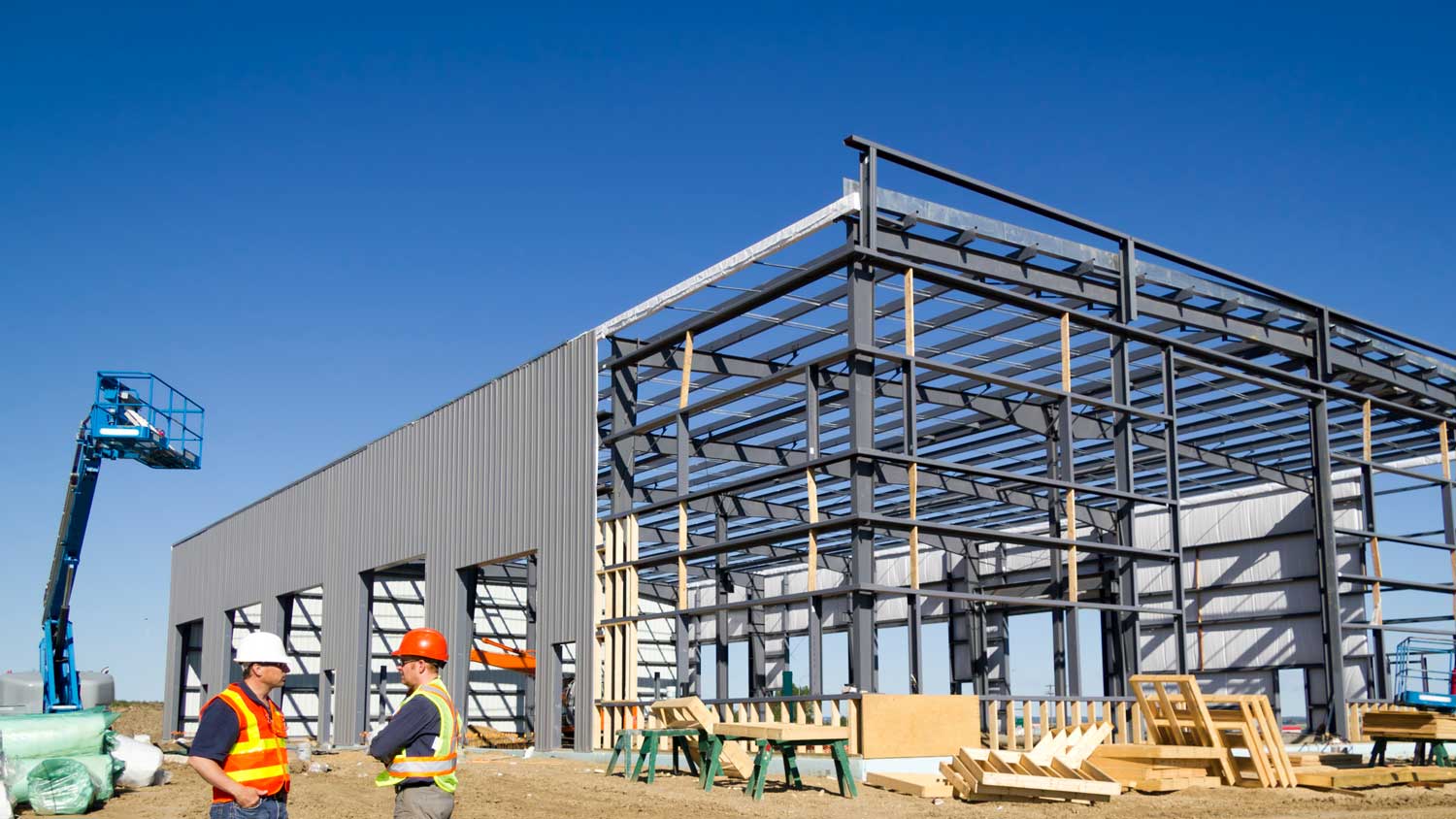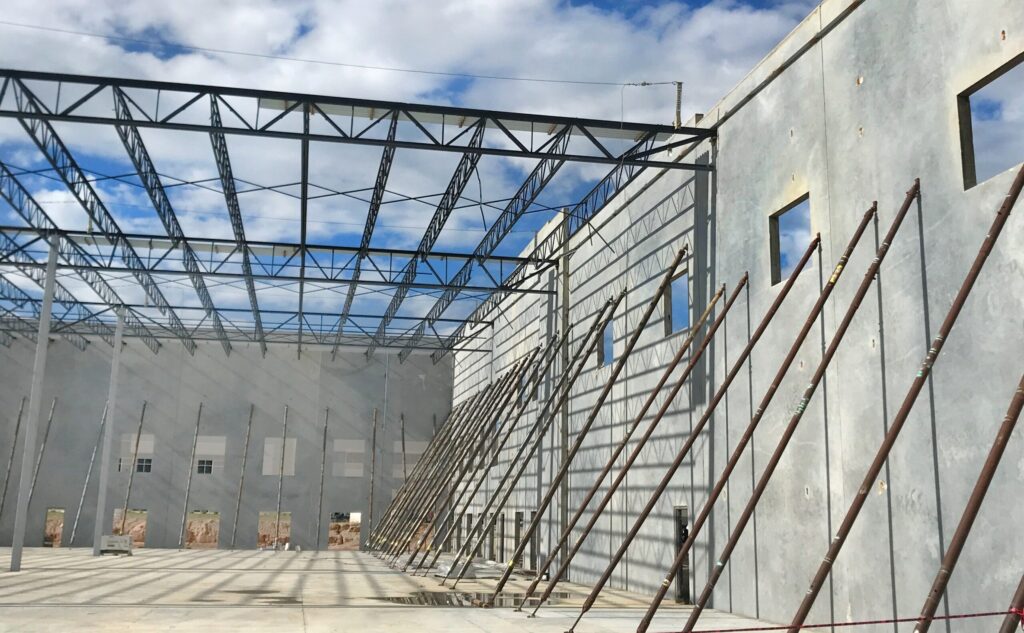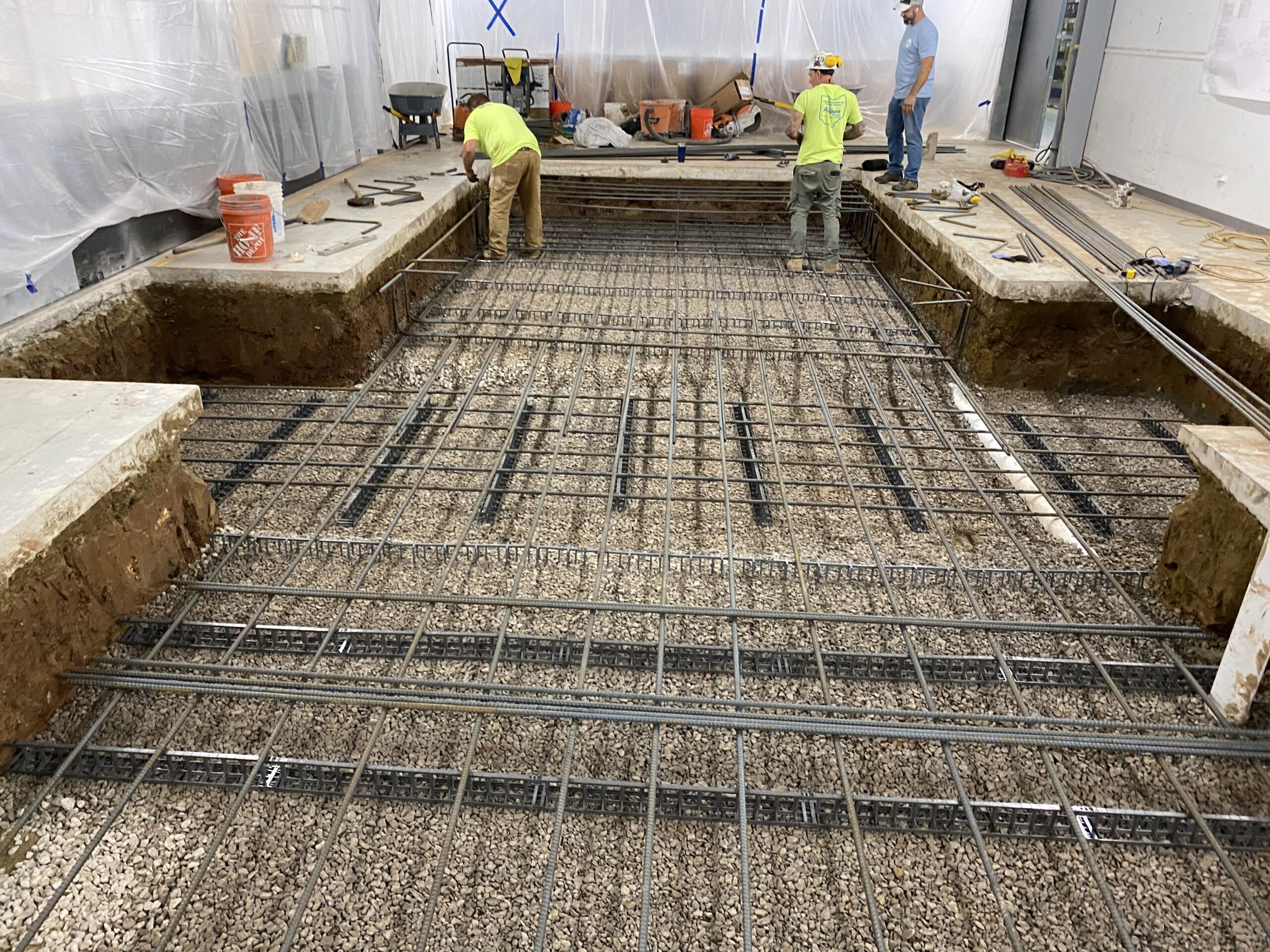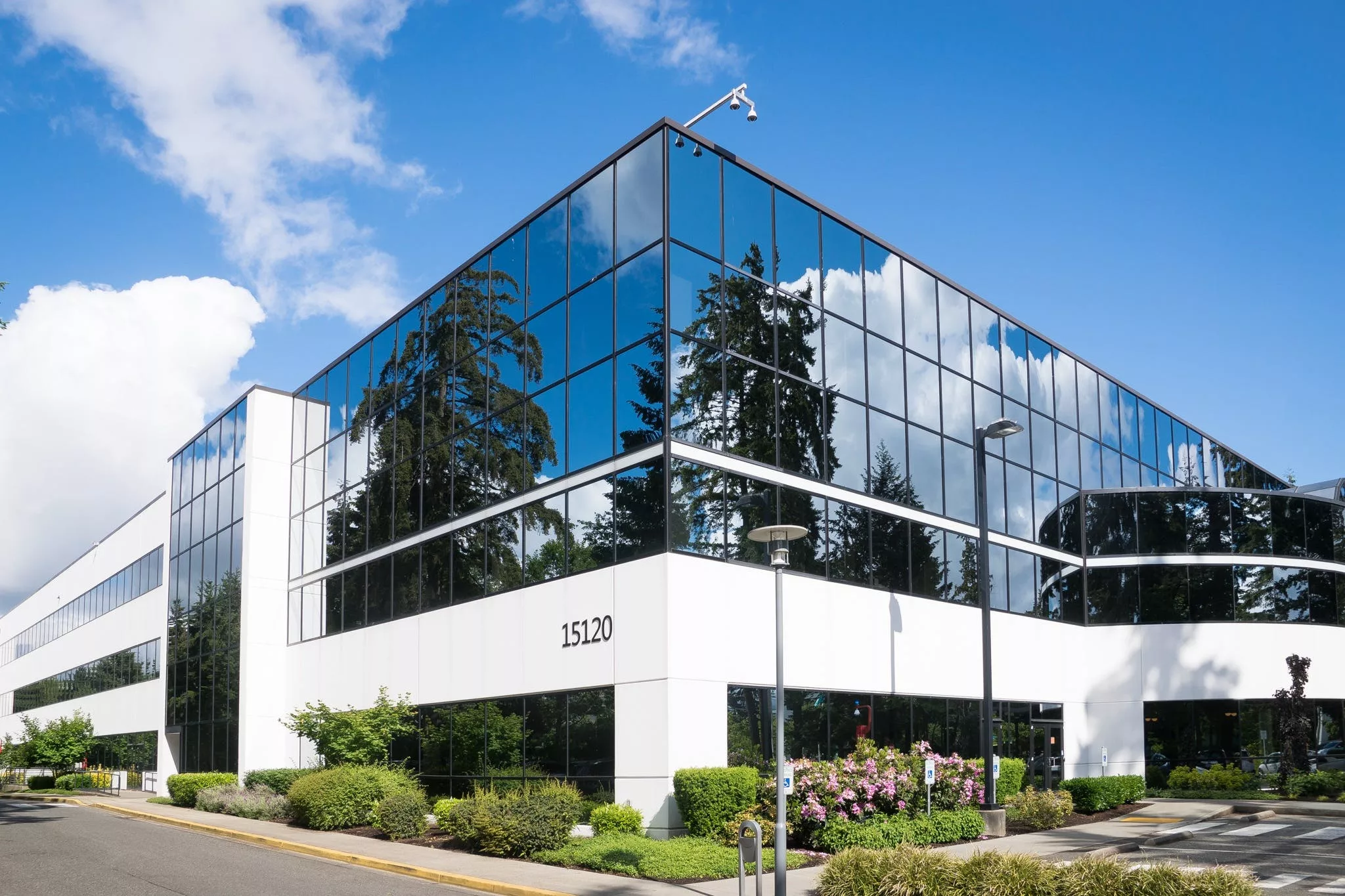
Shopping center construction in Fort Worth, TX has shifted from simple pad-and-shell delivery to a far more coordinated execution model. Developers are balancing tighter financing windows, phased tenant rollouts, utility constraints, and aggressive occupancy dates. In this environment, concrete scope decisions have outsized impact on schedule reliability, leasing momentum, and final project cost certainty.
At a high level, successful shopping center projects are not won by chasing low unit pricing. They are won by sequencing work correctly, locking utility interfaces early, controlling slab and paving tolerances, and keeping procurement aligned with milestone dates. This guide outlines the practical framework owners, asset managers, and development teams can use in 2026 to deliver shopping center construction with fewer surprises and stronger handoff quality.
Start With a Phasing-First Development Plan
Many shopping center problems begin when teams treat phasing as a late design exercise. For modern retail projects, phasing should be established before 30 percent design because it drives civil routing, access roads, temporary utilities, and concrete logistics. If the phasing map is vague, every downstream trade inserts assumptions, and those assumptions usually conflict in the field.
A practical phasing-first plan defines what opens first, what can tolerate deferred improvements, and which site zones must remain protected for future tenant buildouts. That allows the construction team to install concrete work that supports immediate occupancy while preserving clean tie-in conditions for later phases. It also reduces rework caused by premature paving or incorrectly timed hardscape installation.
Site Selection and Entitlement Reality Checks
In Fort Worth submarkets, land that looks straightforward on paper can hide significant geotechnical and drainage costs. Teams should complete geotechnical borings, preliminary grading balance, utility availability confirmation, and offsite improvement mapping before locking development pro formas. These findings directly affect slab detailing, paving section thickness, and stormwater sequencing.
Entitlement strategy matters just as much. Retail centers often require transportation coordination, access approvals, and signalization commitments that influence site entry geometry and concrete scope. If those requirements are discovered after bid packages are issued, schedule drift is almost guaranteed. Early entitlement coordination protects both construction sequencing and tenant opening commitments.
Design the Concrete Package Around Tenant Mix
A neighborhood retail center anchored by grocery, fitness, or quick-service operators has materially different slab and paving demand than a soft-goods-heavy center. High-turnover loading zones, refuse areas, and service drives require durable concrete sections and joint plans that accommodate frequent heavy axle loading. Treating all tenant zones as equivalent typically creates premature cracking, settlement, and repair exposure.
The concrete package should separate public-facing walkways, storefront aprons, service corridors, and heavy-duty truck circulation into explicit performance zones. Each zone needs a clear spec for reinforcement, thickness, base preparation, and curing controls. This zone-based approach improves lifecycle durability and reduces post-opening disruption for tenants and visitors.
Prioritize Utility Coordination Before Flatwork
Retail projects frequently lose momentum when underground utility conflicts are discovered after major concrete placements. Best-performing teams run utility coordination as a front-end control process with weekly clash reviews, route lock dates, and hold-point inspections before each pour sequence. Utility as-builts should be treated as required deliverables, not optional closeout items.
For shopping centers, electrical pathways, communications conduits, grease interceptor runs, and domestic/fire interfaces need strict coordination with slab and paving milestones. If utility rough-in slips, concrete scope must be resequenced immediately rather than forcing partial pours that create long-term maintenance weak points. A disciplined utility workflow protects schedule and preserves constructible joint layouts.
Build a Realistic Schedule With Constraint Mapping
Optimistic schedules are still common in retail construction. The more reliable approach is constraint mapping. Before finalizing baseline dates, teams should map critical constraints by zone: permit lead times, utility approvals, long-lead fixtures, weather risk windows, and inspection dependencies. This creates a schedule that reflects actual field constraints instead of best-case assumptions.
Concrete milestone planning should include subgrade acceptance gates, reinforcement signoffs, weather contingencies, cure-duration protections, and access turnover dates. When each gate is explicit, superintendents and project managers can make faster decisions without compromising quality. This also gives ownership teams better visibility into which milestones are truly critical to tenant occupancy.
Control Quality Through Pre-Pour Operations
Retail projects often compress time between design updates and field execution. To maintain quality under speed, every major concrete operation should run through a pre-pour meeting that confirms drawings, embeds, utility clearances, formwork geometry, rebar compliance, and weather controls. The pre-pour process is where most avoidable defects are prevented.
For slabs and paving areas with high visual exposure, mockups and acceptance criteria should be finalized before production work begins. Define finish tolerances, joint treatment standards, and acceptable variation thresholds. When quality criteria are explicit, punch lists are shorter and dispute risk at turnover is dramatically lower.
Manage Cost Volatility With Scope Clarity
In 2026, construction teams cannot rely on static assumptions around materials, logistics, and labor availability. Shopping center projects perform better when cost risk is addressed through precise scope documentation and early procurement decisions. Undefined allowances create downstream change order pressure and erode development returns.
Owners should require line-item visibility for concrete scope components: excavation support, base prep, reinforcement, formwork, placement, finishing, cure protection, and saw-cutting strategy. This level of detail makes bid comparisons meaningful and helps teams identify where value engineering can reduce cost without reducing service life.
Sequence Hardscape and Paving for Tenant Access
Tenant onboarding is one of the most sensitive parts of shopping center delivery. If access routes, storefront aprons, and temporary logistics zones are poorly sequenced, interior buildouts stall and occupancy dates slip. The concrete plan should include a dedicated tenant-access sequence that protects circulation while maintaining production flow.
High-performing teams define provisional paths, protected staging zones, and final paving handoff windows by tenant cluster. This prevents late conflicts between landlord work and tenant contractors. It also reduces damage to finished surfaces, which is a common and costly issue during the final months before opening.
Plan for Lifecycle Performance, Not Only Turnover
Retail assets succeed when they remain low-maintenance and operationally stable after opening. Concrete decisions made during construction directly affect long-term maintenance budgets, tenant satisfaction, and renewal risk. Projects should include lifecycle planning for joint maintenance, sealant strategy, drainage monitoring, and heavy-use area inspection intervals.
Instead of treating maintenance planning as a post-handover item, owners should request a concrete performance playbook at closeout. This includes as-builts, maintenance intervals, repair protocols, and vendor contacts. A strong playbook protects the asset and reduces reactive maintenance costs across the first five years of operation.
Owner Reporting and Governance Structure
Complex shopping center projects require governance that translates field progress into owner decision points. Weekly reporting should track schedule health, budget status, pending approvals, utility risk, and quality metrics by phase. Reports that only summarize percent complete are not sufficient for risk management.
Governance meetings should also include explicit decision logs. When teams document scope clarifications, sequencing pivots, and contingency usage in real time, there is less confusion later. Clear decision governance improves alignment between ownership, development managers, design teams, and field leadership.
Final Takeaway for 2026 Retail Projects
Shopping center construction in Fort Worth works best when teams execute with a phasing-first mindset, utility discipline, explicit quality gates, and asset-level lifecycle planning. The project that opens on time is usually the one that resolved sequencing and coordination risk early, not the one that simply bid the lowest first-pass price.
For owners and developers, the goal is straightforward: deliver a durable retail environment that supports leasing velocity and long-term operational stability. That outcome depends on structured planning, rigorous field execution, and concrete scope management that matches how shopping centers actually operate after turnover.
About the Author
Fort Worth Concrete Team shares field-driven construction guidance for commercial and industrial projects in Fort Worth, TX, with a focus on practical planning, schedule control, and durable concrete delivery.