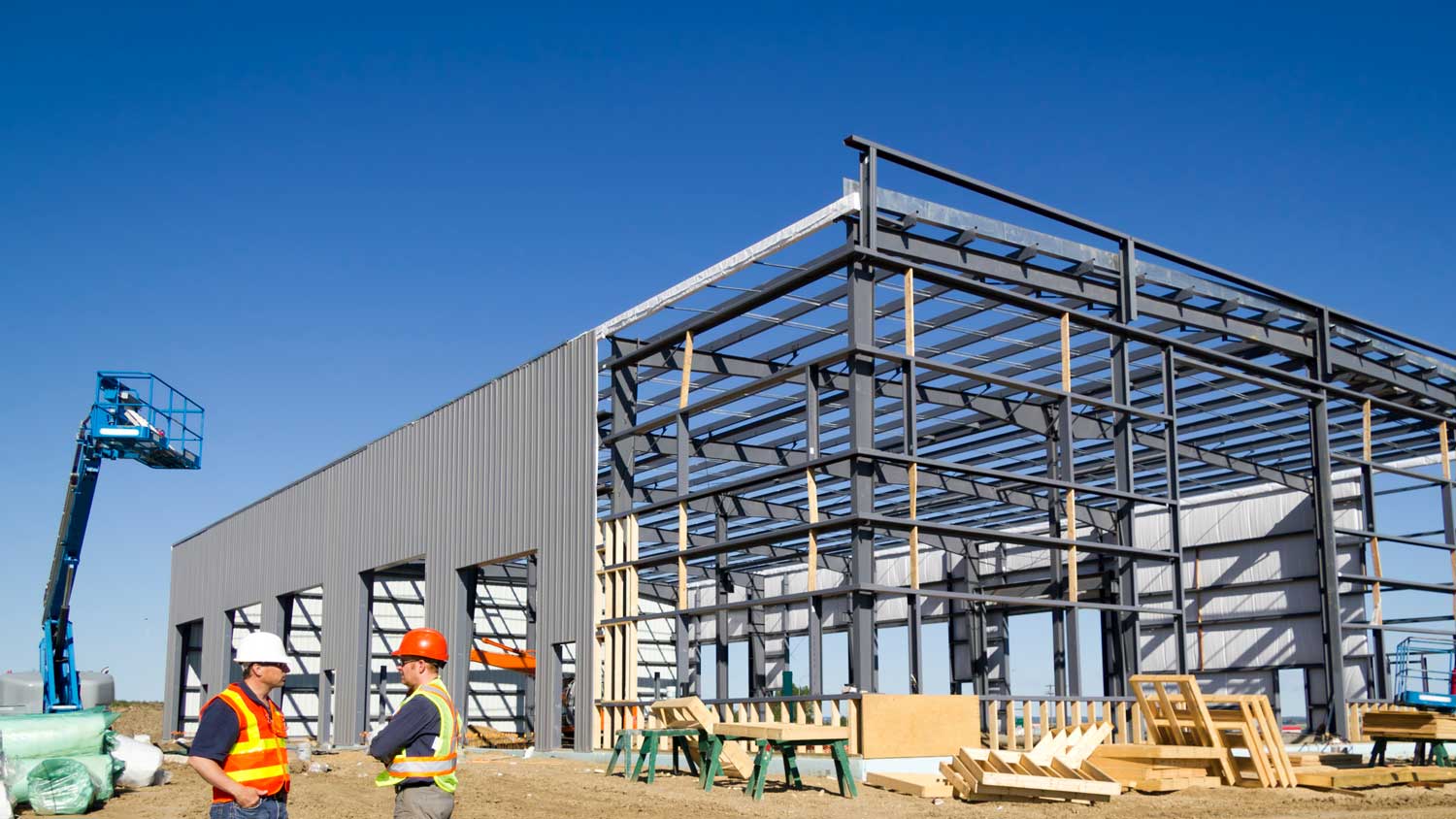
Tilt-wall construction remains one of the most efficient structural systems for industrial and distribution facilities in Fort Worth, TX. It enables rapid enclosure, repeatable quality, and strong cost control when teams coordinate design, casting, erection, and stabilization as a single integrated process. Problems emerge when these steps are managed in isolation.
In 2026, successful tilt-wall delivery is less about isolated production speed and more about predictable sequencing across all stakeholders. Structural design teams, concrete crews, crane operators, safety managers, and site logistics leads need shared milestone ownership. This guide outlines a practical approach for owners, developers, and builders who need tilt-wall projects to move quickly without sacrificing safety or quality.
Design Coordination Before Field Mobilization
Tilt-wall projects should begin with rigorous design coordination around panel geometry, opening locations, embed requirements, and connection details. Even small unresolved conflicts in these areas can trigger major field delays once casting begins. Teams should resolve structural interfaces and MEP penetrations before releasing production panel drawings.
A design coordination matrix helps align responsibilities and approval timing. Include milestone dates for panel drawings, embed shop drawings, brace plans, and erection sequencing approvals. When these documents are synchronized, field execution runs smoother and rework exposure drops.
Casting Bed Planning and Slab Readiness
Casting bed strategy drives tilt-wall productivity. Beds should be planned based on panel size mix, daily placement capacity, and crane reach constraints. Overloading the bed plan to chase aggressive output often leads to congestion, quality defects, and safety risk. Balanced bed utilization is usually faster over the full project duration.
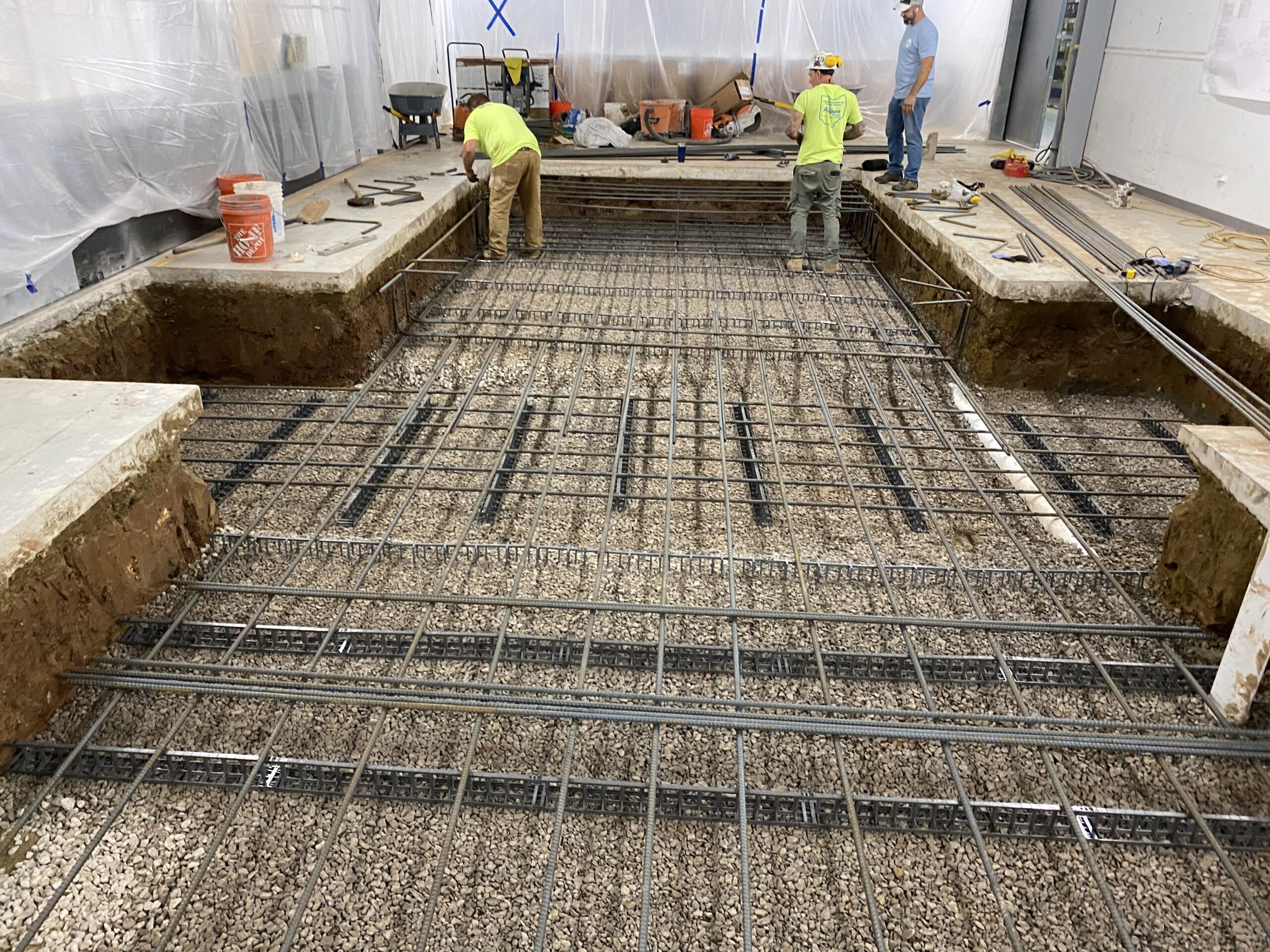
Slab readiness is equally critical. Subgrade quality, elevation control, reinforcement verification, and moisture management must be confirmed before panel operations start. If slab readiness is compromised, panel quality and lift reliability are affected. Treat slab acceptance as a hard gate, not a flexible milestone.
Embed, Rebar, and Formwork Controls
Panel performance depends on precise embed placement and reinforcement execution. Teams should run structured pre-pour checks to verify dimensions, elevations, plate orientation, and connection clearances. These checks are where most avoidable erection issues can be prevented.
Formwork quality also matters for alignment and finish outcomes. Inconsistent forming creates edge variation and potential fit-up problems at panel joints. Standardized formwork procedures, template controls, and verification signoffs reduce variability and improve downstream erection speed.
Concrete Placement and Curing Discipline
Panel durability and strength development rely on consistent placement practices and controlled curing. Placement teams should manage mix consistency, vibration procedures, finish standards, and weather adjustments with documented quality checkpoints. Curing plans should account for temperature swings, wind exposure, and moisture retention requirements.
Strength verification milestones must be aligned with lifting plans. Lifting before verified target strength introduces unnecessary risk. Coordinated testing, scheduling, and communication between field and QA teams keeps erection windows predictable and protects safety margins.
Crane Planning and Lift Path Management
Crane operations are often the most visible and risk-sensitive part of tilt-wall delivery. Lift planning should include crane positioning, pick sequence, radius constraints, wind thresholds, and exclusion zones. Plans must be reviewed and understood by all crews involved in erection activities.
Site logistics can make or break crane productivity. Material storage, traffic routing, and temporary access paths should support uninterrupted crane movements. If logistics are not aligned, lift windows are lost to avoidable interference and schedule compression becomes harder to recover.
Bracing and Temporary Stability
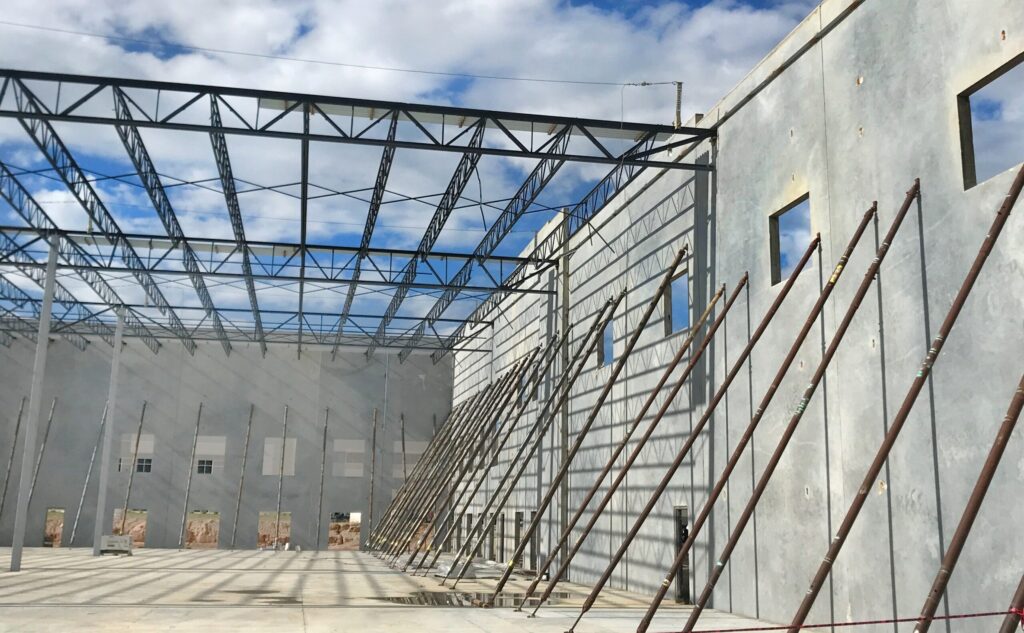
Temporary bracing is a structural requirement, not a secondary safety add-on. Brace layout should be engineered, documented, and inspected at defined intervals. Connection points, torque requirements, and anchorage condition must be verified before each panel is released from lifting equipment.
Teams should establish a daily brace inspection protocol that accounts for weather changes and concurrent site activity. Maintaining temporary stability discipline protects workers, preserves schedule reliability, and reduces exposure to major incident events.
Weather and Risk Window Planning
Tilt-wall work is highly sensitive to weather, especially wind and rapid temperature changes. Teams should track forecast windows and maintain clear go/no-go criteria for lifts and placement operations. Weather contingencies should be built into baseline schedules rather than treated as ad hoc exceptions.
When weather disrupts production, recovery plans should prioritize critical path panels and downstream enclosure milestones. A structured recovery approach prevents reactive decisions that compromise quality or safety controls.
Safety Culture and Role Clarity
Complex tilt-wall operations require clear field leadership and role accountability. Every crew member should understand who has stop-work authority, who controls lift calls, and who verifies safety hold points. Ambiguity in these roles increases risk and slows execution.
Short, disciplined daily briefings keep crews aligned on sequence changes, weather updates, and high-risk tasks. Consistent briefings reduce communication gaps and improve productivity because teams operate with shared situational awareness.
Panel-to-Panel Quality and Finish Management
Owners and tenants increasingly expect clean aesthetic outcomes in industrial facilities, especially at customer-facing elevations. Panel finish consistency, joint alignment, and patch quality should be managed through defined acceptance standards and mockup references.
Quality management should also include documented punch workflows by elevation and zone. Closing defects while access is still efficient is significantly cheaper than late-stage correction after adjacent scopes have advanced.
Interface With Roof, Steel, and MEP Trades
Tilt-wall success is connected to downstream trade readiness. Roof structure sequencing, connection steel installation, and MEP routing should be coordinated with panel erection priorities. If interface milestones are unclear, enclosure progress can stall even when panel operations are complete.
Use integrated look-ahead planning across structural and MEP teams to confirm access windows and handoff dates. This prevents bottlenecks and keeps critical path activities moving toward substantial completion.
Schedule Governance and Recovery Controls
Tilt-wall schedules should be governed with milestone-based reporting rather than broad percent-complete updates. Track panel casting progress, cure-readiness, lift completion, brace status, and interface handoffs as distinct controls. This granularity enables earlier intervention when variance appears.
When recovery is required, focus first on bottlenecks that affect enclosure and follow-on trades. Throwing additional crews at non-critical activity rarely improves final completion dates. Targeted recovery planning with clear accountability is more effective and less disruptive.
Closeout and Long-Term Performance Considerations
At closeout, owners should receive complete panel documentation: as-builts, connection records, quality logs, and maintenance guidance for joints and sealants. Clear documentation supports future modifications and reduces uncertainty during tenant improvements or facility expansions.
Long-term performance improves when teams define maintenance intervals and inspection triggers during turnover. This helps facilities teams preserve enclosure integrity and avoid deferred maintenance issues that can affect operations.
What Consistently Delivers Results
In Fort Worth, tilt-wall projects consistently perform best when teams treat casting, lifting, bracing, and trade interfaces as a unified production system. The strongest results come from disciplined planning, transparent milestone control, and strict safety execution at every stage.
For owners and developers, the practical objective is clear: deliver enclosure fast without creating downstream quality or operational risk. That outcome is achievable when tilt-wall is managed as a coordinated, data-driven process from design release through final handoff.
About the Author
Fort Worth Concrete Team shares field-driven construction guidance for commercial and industrial projects in Fort Worth, TX, with a focus on practical planning, schedule control, and durable concrete delivery.