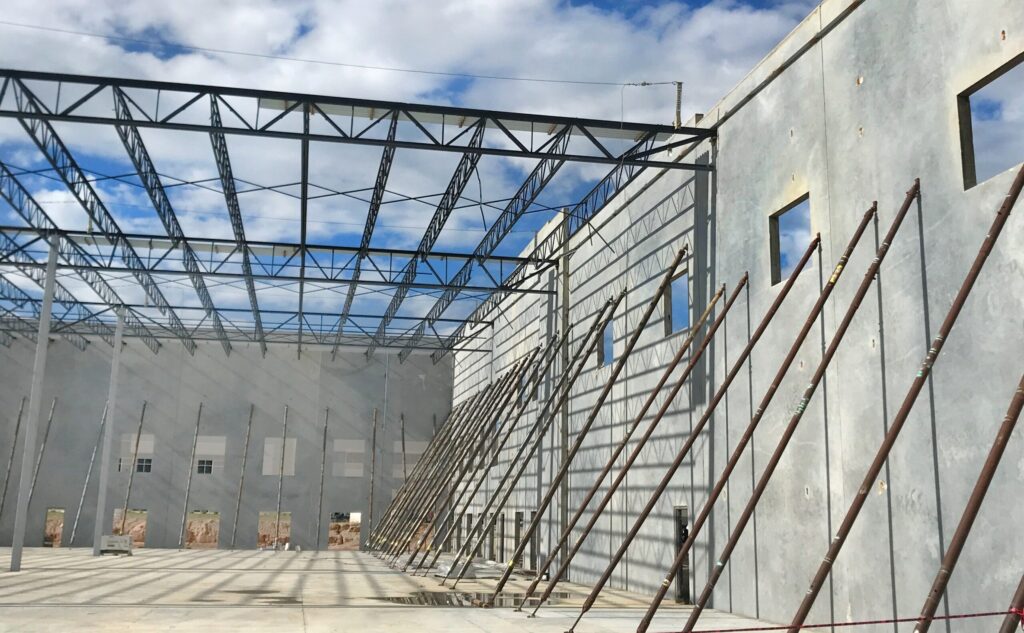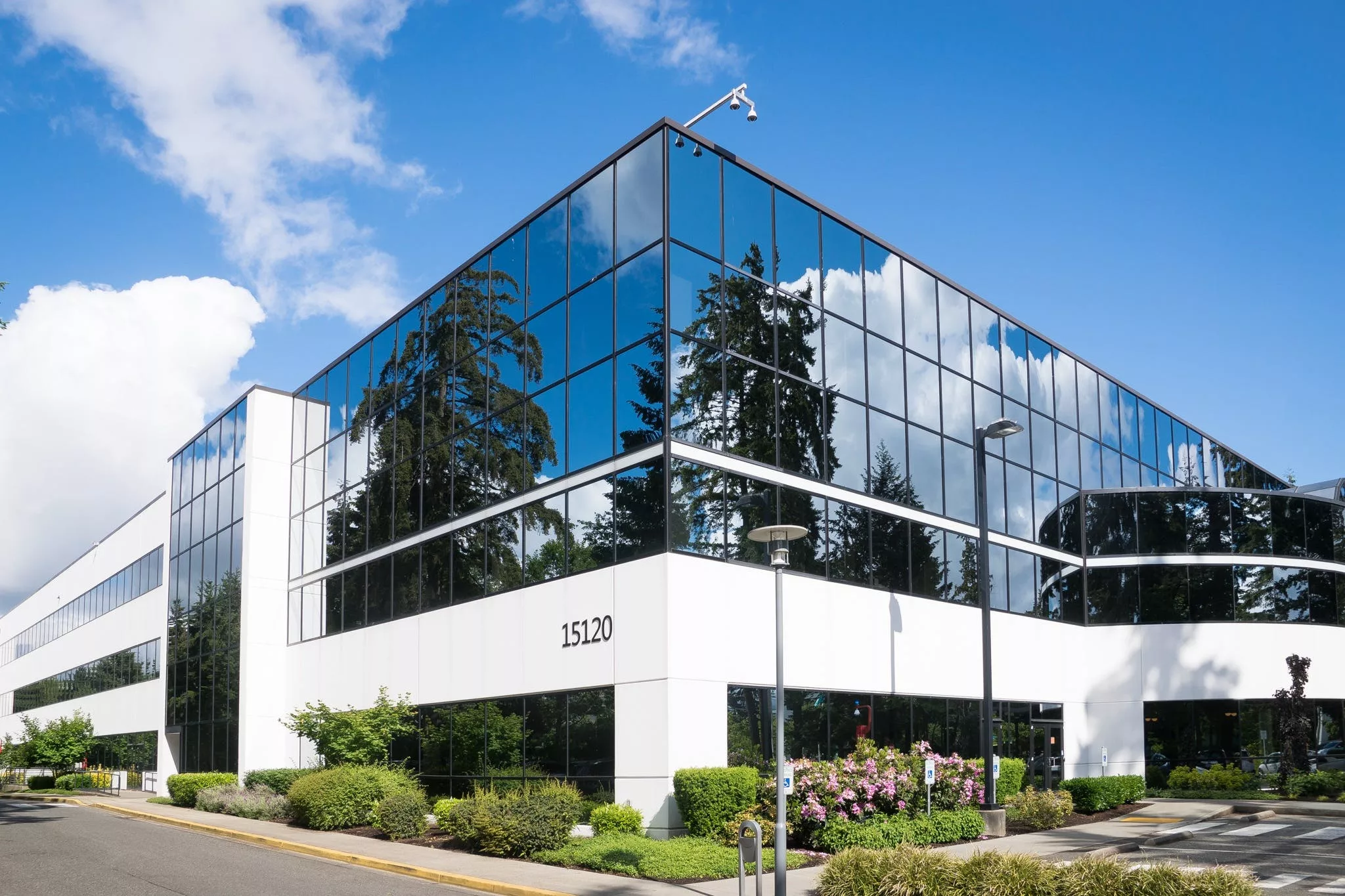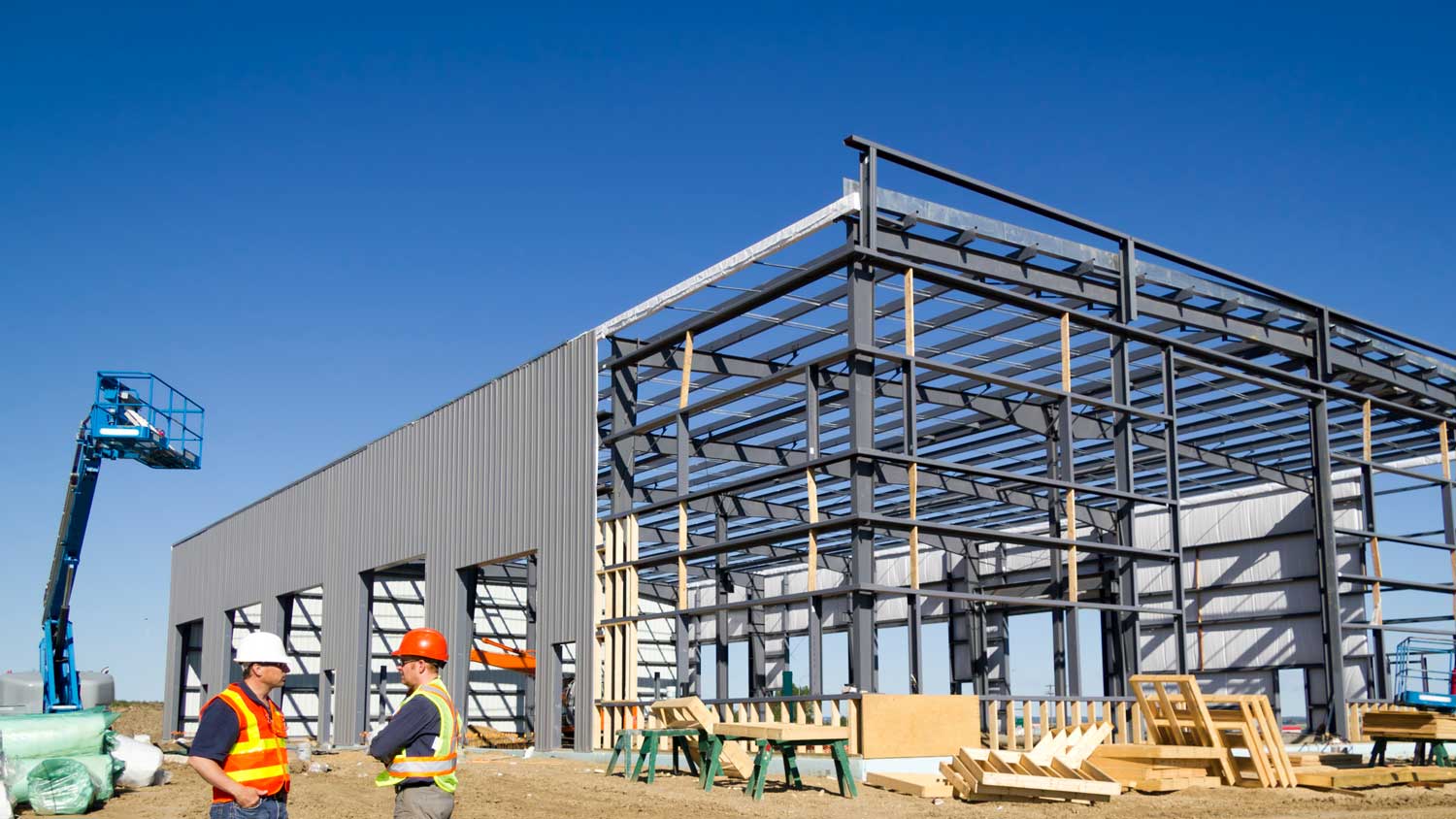
Warehouse construction in Fort Worth, TX is now defined by speed-to-occupancy, durable slab performance, and high-confidence logistics planning. Developers and owner-operators are moving quickly, but fast schedules only succeed when planning depth matches execution pressure. Projects that skip front-end rigor often experience expensive resequencing, dock delays, and floor performance issues within the first year.
In 2026, warehouse delivery teams should treat concrete as a primary schedule driver, not a downstream trade activity. Slab readiness impacts racking installation, MEP rough-in access, and commissioning timelines. Exterior paving and truck court sequencing impacts operational startup, carrier onboarding, and safety certification. This guide provides a practical framework for building warehouse projects that open on time and operate reliably.
Align Building Program With Operational Reality
Warehouse projects begin with business requirements, but those requirements must be translated into constructible geometry and performance criteria. Clear early decisions on clear height, bay spacing, rack loads, dock count, and trailer storage strategy shape every major concrete and civil choice. If the operational program is vague, design and construction teams fill gaps with assumptions that may not support final use.
Owner teams should issue a single operational basis document that defines throughput targets, equipment profiles, and anticipated traffic patterns. This document keeps design, estimating, and field sequencing aligned throughout procurement and construction. It also reduces scope churn during late-stage tenant or operator adjustments.
Site Logistics and Truck Flow Design
Truck flow is where many warehouse projects underperform. A warehouse can be fully built but still function poorly if trailer circulation, turning radii, and staging lanes are constrained. Site layout should be validated using turning studies and operational simulations before final paving plans are locked.
Concrete truck courts, apron transitions, and dock approach zones need performance-driven section design. Heavy-load areas should be specified based on expected axle repetitions and seasonal conditions, not generic assumptions. Investing in robust truck circulation design early prevents future operational bottlenecks and expensive repair cycles.
Slab Strategy: Tolerances, Joints, and Service Life
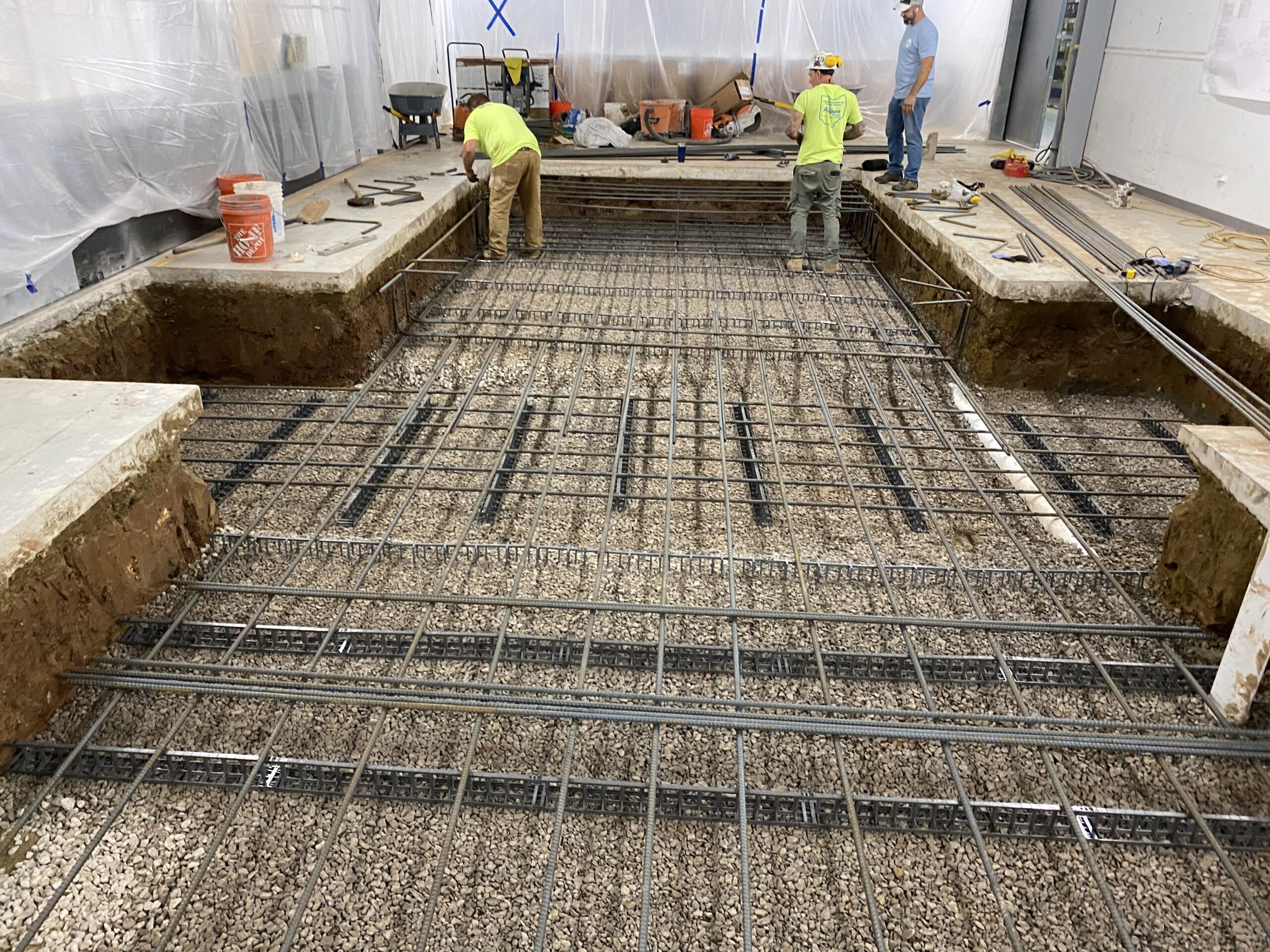
Warehouse slab performance is a long-term value issue. Floor flatness and levelness affect racking stability, forklift safety, and maintenance costs. Joint strategy affects wheel impact, surface wear, and ongoing repair exposure. Teams should lock slab tolerances and joint details early with direct input from operations and material handling vendors.
A strong slab strategy defines reinforcement approach, finishing process, curing protocol, saw-cut timing, and quality verification standards. It also identifies high-demand zones such as pick modules, battery charging areas, and dock staging lanes. When these requirements are explicit at bid stage, execution quality improves and post-turnover remediation drops significantly.
Coordinate Docks as a Distinct Workstream
Loading dock delivery often becomes the critical path late in warehouse schedules. Dock pits, leveler embeds, bumper layouts, and approach aprons require cross-trade coordination across concrete, steel, mechanical, and electrical scopes. Treating docks as just another drawing note usually causes rework and procurement delay.
Best-performing teams run docks as a dedicated workstream with milestone tracking for embed procurement, pit formation, placement windows, and commissioning readiness. This keeps dock turnover aligned with occupancy schedules and avoids partial operational startup that can strain staffing and logistics performance.
Utility and Underground Conflict Prevention
Underground conflict is a major cause of schedule disruption in industrial construction. Utility corridors, storm infrastructure, sanitary runs, and fire lines must be coordinated before major slab and paving operations begin. Once large pours are placed, adjustment options become limited and expensive.
Warehouse teams should implement hold points for utility verification before each major placement zone. Use updated layout controls, document clearances, and require as-built capture in near real time. This process improves turnover documentation and reduces future risk when operators install process upgrades or building expansions.
Procurement Sequencing and Material Readiness
Procurement speed is still variable across industrial markets. Warehouse projects perform better when long-lead items and high-risk materials are identified early with contingency paths built into the schedule. Concrete-related procurement includes reinforcement packages, embed assemblies, joint materials, cure products, and specialty flooring components.
Teams should pair procurement plans with installation windows and site readiness checkpoints. Buying early without installation clarity can create storage and handling risk. Buying late creates schedule exposure. The objective is synchronized procurement aligned with executable field sequences.
Quality Assurance for High-Use Industrial Floors
Warehouse floors must handle repetitive traffic, point loads, and operational abuse. Quality assurance should include pre-placement checks, in-process verification, and post-placement testing aligned to performance criteria. Relying solely on end-stage visual acceptance is not sufficient for high-demand facilities.
Quality plans should include criteria for base preparation, moisture control, placement consistency, finish acceptance, and joint performance. Capture deviations immediately and resolve them before downstream trades build over affected areas. Early corrective action is significantly cheaper than post-occupancy shutdown repairs.
Budget Control Through Scope Transparency
Warehouse projects can appear cost-efficient at bid stage but drift during execution when scope boundaries are unclear. Cost certainty improves when the concrete package is broken into explicit components with defined responsibilities and acceptance criteria. This prevents disputes and minimizes change-order noise.
Owner teams should request monthly cost-risk reviews that include pending RFIs, unresolved clarifications, and forecast variance by package. When risk is visible early, teams can rebalance priorities and protect target openings without sacrificing core quality requirements.
Commissioning and Turnover Readiness
A completed warehouse is not an operational warehouse. Turnover planning must include dock functionality checks, floor readiness validation, drainage performance testing, and safe circulation commissioning. If these checks are delayed, occupancy can slip even after substantial completion is declared.
Create a turnover readiness matrix that ties each commissioning task to a responsible party, due date, and acceptance authority. Include punch management by zone and documented closeout requirements. This approach produces cleaner handoff and improves startup confidence for operators and tenants.
Post-Occupancy Concrete Management
Warehouse assets benefit from a structured first-year performance plan. Track joint condition, surface wear at traffic concentrations, dock apron behavior, and drainage response during seasonal weather shifts. Early monitoring identifies minor issues before they evolve into major maintenance events.
Owners should require a preventive maintenance protocol at turnover with interval-based inspections, repair thresholds, and vendor contacts. This preserves floor reliability, protects safety outcomes, and supports long-term asset value in a competitive industrial market.
Execution Principles That Hold Up in 2026
Warehouse construction success in Fort Worth depends on four disciplines: clear operational programming, phasing-aware concrete planning, disciplined utility coordination, and outcome-based quality controls. Projects that maintain these disciplines typically achieve stronger schedule reliability and lower lifecycle maintenance burden.
Teams that want durable performance should focus less on superficial schedule acceleration and more on coordinated milestone discipline. In industrial construction, predictable execution creates the biggest competitive advantage, both at turnover and throughout the building lifecycle.
About the Author
Fort Worth Concrete Team shares field-driven construction guidance for commercial and industrial projects in Fort Worth, TX, with a focus on practical planning, schedule control, and durable concrete delivery.